Polish Trucks, Tractors and Cars 1920-1945
 c5000 trucks produced
Polish Trucks
Upcoming
C2P
C4P
C7P
Polski-Fiat 508
Polski-Fiat 518
PF 508/518 Ursus A
Polski-Fiat 621
Polski-Fiat 618
Wz. 34 Half Track
PZInż 302
PZInż 703/713/723
PZInż 702/712/722
There are two sides on this topic: Interwar Polish trucks since 1920 and in WW2 with the Free Poles. During World War II, Polish trucks were primarily used by the Polish Army before and during the 1939 invasion of Poland. While Poland had a relatively small domestic truck production industry compared to Germany or the Soviet Union, several Polish manufacturers produced military vehicles. After the country was occupied, Polish factories and vehicles were often taken over by the Germans or Soviets.
The Polish motor vehicle industry began after World War I when Poland regained its independence. Various trucks and commercial vehicles were produced both before and after World War II, although these vehicles were not widely known in the West due to limited exports beyond the "iron curtain" or certain parts of Asia. There was a mix of foreign vehicles purchased as is, as well as licence-built local versions (which were the majority).
The ones to know were the following:
Ursus A: A series of Polish lorries and buses produced by Ursus, based on a license-built modification of the Italian SPA 25C Polonia trucks. These vehicles were adapted for harsh Polish weather and poor roads, with modifications including a larger payload and a simplified cooler.
CWS (Central Auto Works): Started as a small machine shop in 1915 and later came under Polish military management, producing motor vehicles after World War I1.
Państwowe Zakłady Inżynierii (PZInż) Trucks
PZInż 703 – A 3-ton military truck used for transport and supply.
PZInż 713 – A prototype off-road truck for the Polish Army, but only a few were produced before the war.
PZInż 703 and 713 were similar in role to German Opel Blitz trucks.
MW LRL: Purchased licenses from General Motors to build various Buick and Chevrolet models, including trucks and bus chassis.
State-Controlled Enterprise: In 1938, the Polish state enterprise bought a licensing agreement to assemble DKW passenger cars and Henschel trucks in Polish factories. Additionally, about 100 Mercedes-Benz 170V, BMW 328, and Steyr 55 were assembled in Southern Poland.
During World War II, the Polish Army used various armored vehicles, including the TKS-B, which was based on the Ursus A 2-ton truck chassis. The Polish resistance also built an armored vehicle named 'Kubuś' based on a truck chassis during the Warsaw Uprising.
Ursus Trucks
Ursus A – A heavy-duty truck based on Italian Fiat designs.
Ursus A 30 – A Polish-made 3-ton truck used for transport.
Star and Fiat-Polski Trucks
Fiat-Polski 621 – One of the most widely used trucks in the Polish Army, derived from the Italian Fiat 621.
Star 20 (Prototype) – Although development began before the war, production was only realized after 1945.
Polish Softskin Vehicles in WW2
Many Polish trucks were used in logistics, troop transport, and artillery towing. After the 1939 defeat, captured trucks were used by the German Wehrmacht. Polish forces fighting with the Allies (e.g., in the Polish Armed Forces in the West and the Polish Underground State) used British, American, and Soviet-supplied trucks. Most Polish truck production was destroyed or repurposed during the German occupation. After the war, Poland rebuilt its truck industry with brands like Star, Jelcz, and Lublin.
Detailed Overview
Tractors
C2P
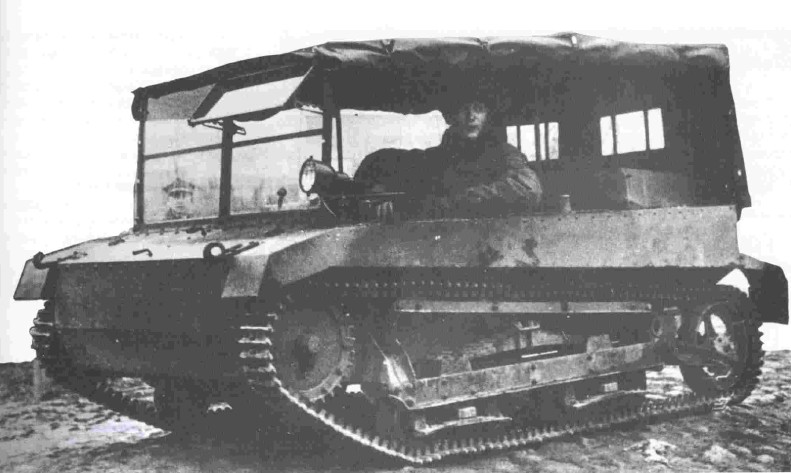
The C2P was a Polish light tracked artillery tractor of the interwar, based on the TKS tankette. Prime users were anti-aircraft units of the Polish Army, towing the wz. 36 anti-aircraft guns plus associated ammunition trailers but also various ordnances. However after the defeat of September, the Wehrmacht took over many vehicles, which stayed in service as the artillery-schlepper C2P(p) until 1945.
C4P
Also called the Wz.34 half track tractor and lorry, this vehicle was produced to 400+ vehicles in a variety of variants, the best-known being the C4P artillery tractor. It was based on the 2.5 tonne Fiat 621 truck, licence-built by Polski-Fiat modified in 1934 by chief engineer Edward Habich of the Bureau for Technical Studies of the Armoured Arms (BBT BP). This became the Półgąsienicowy samochód ciężarowy wz. 34). It could tow heavy ordnannces such as the 120 mm wz.1878/09/31 guns.
C7P
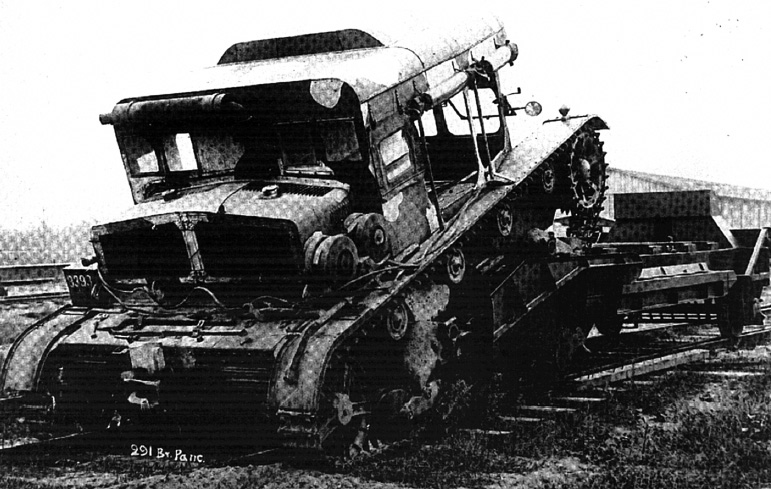
The C7P, standing for "Ciągnik Siedmiotonowy Polski" or "7-tonnes Polish Tractor" was a Polish tracked artillery tractor of the Polish Army which production started in 1934, largely based on the 7TP light tank, itself based on the 1931 Vickers E (6 tons). It was designed in 1931-32 by Witold Jakusz from PZInż and was built at the Ursus factory until September 1939 with a total of 151 delivered or in park, and 108 in active units when the invasion started.
Trucks
Polski-Fiat 508
To come next
Polski-Fiat 518
To come next
PF 508/518 Ursus A
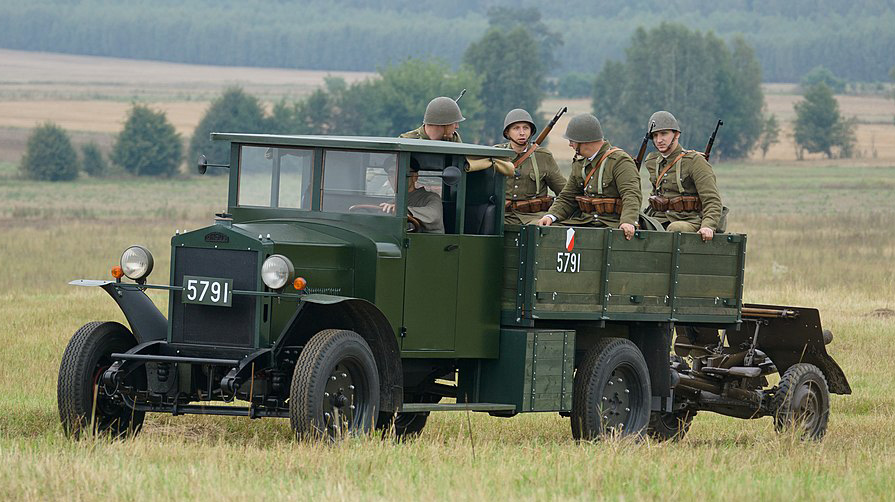
Ursus A was a series of Polish lorries and buses from the Polish Company Ursus, a license-built modification of the Italian SPA 25C Polonia. trucks. This was a gradual process, with the SAP 25C being purchased, then assembled, and the built entirely locally in 1925-28, the the modified Ursus-A which differed in some point. It was replaced from 1931 by the Polski Fiat 621 but many were still active in 1939.
Polski-Fiat 621

The Polski Fiat 621 was a Polish 2.5-tonne truck, most prolific lorry of the Polish Army in 1939, built under licence by PZInż but heavily modified to suit Polish weather and bad roads. The 621 L had modified superstructures and the 621 R was a 3-ton capable revised chassis ideal, both sold to the Army and civilian market. The production ran until the German invasion of September 1939. Those not destroyed in the fighting were either captured by the Germans and Soviets but many also fled south, to Romania and were incorporated into the Romananian army fighting on the eastern front.
Polski-Fiat 618

The final model became the Polski Fiat PF 618 Grom, already mass produced granted in 1932 to Polish Państwowe Zakłady Inżynierii (PZInż) and extended in 1937 to produce the models Fiat 621, 508, 518 Ardita and 618.
Wz.34 Half Track

The P11 Wz.34 Half Track
PZInż 302
To come next
PZInż 703/713/723
To come next
PZInż 702/712/722
To come next
Staff Cars

The Polski Fiat 508 III/W Łazik was a Polish passenger and off-road vehicle designed and constructed in 1935 at the PZInż Research Office by engineer M. Świerczyński (with the participation of engineer T. Tański) for the Polish Army. The vehicle's design was derived from the Polski Fiat 508 III Junak civilian passenger car. Production of the 508 III/W Łazik began in 1936, and the first vehicles for the army were delivered in 1937. In total, approximately 1,500 Łaziks were built between 1936 and 1939.
Photos
![]()

Read More
autohistories.org
usautoindustryworldwartwo.com
Ursus_A
Polski_Fiat_621